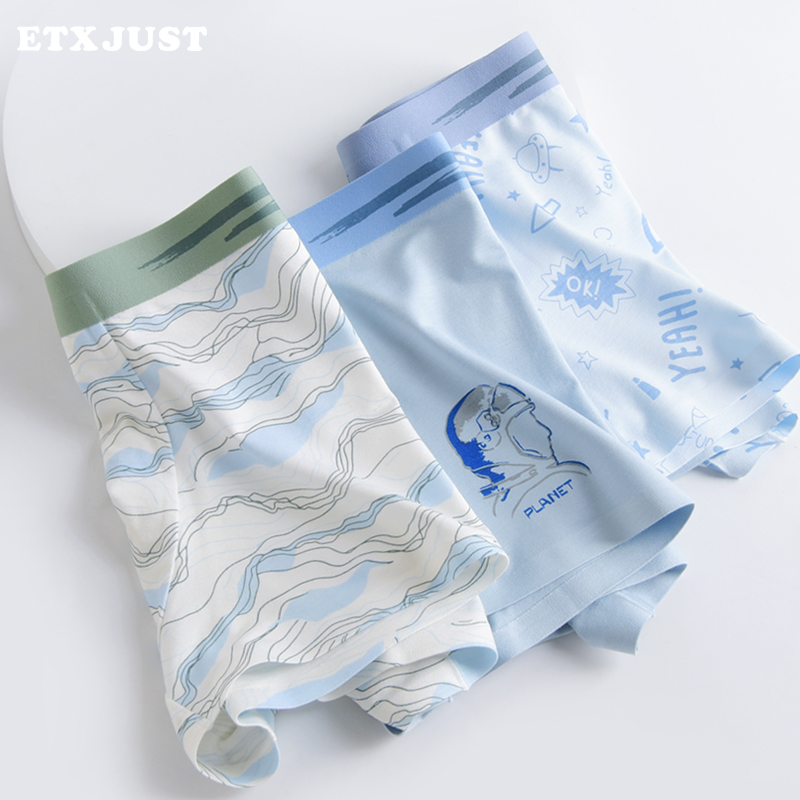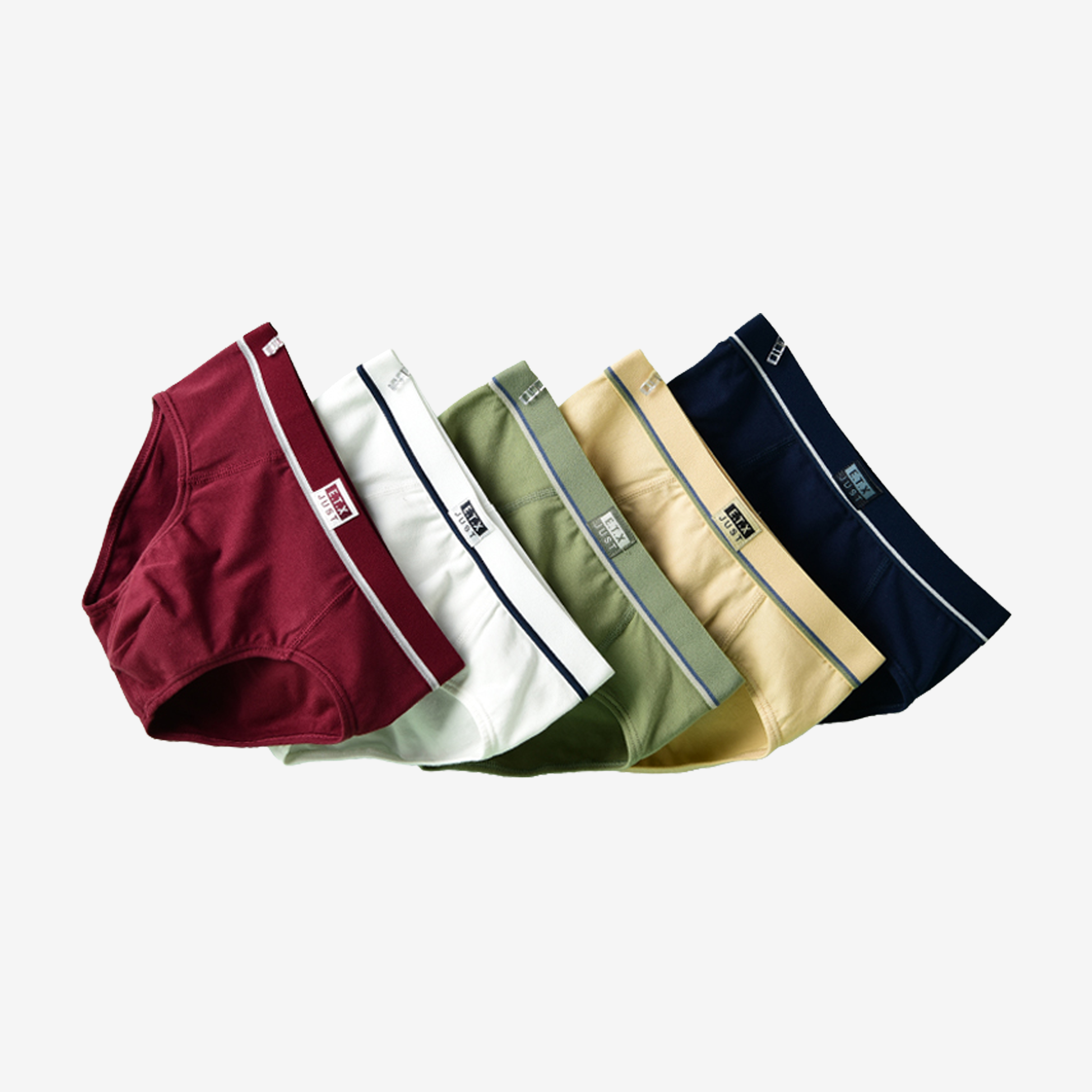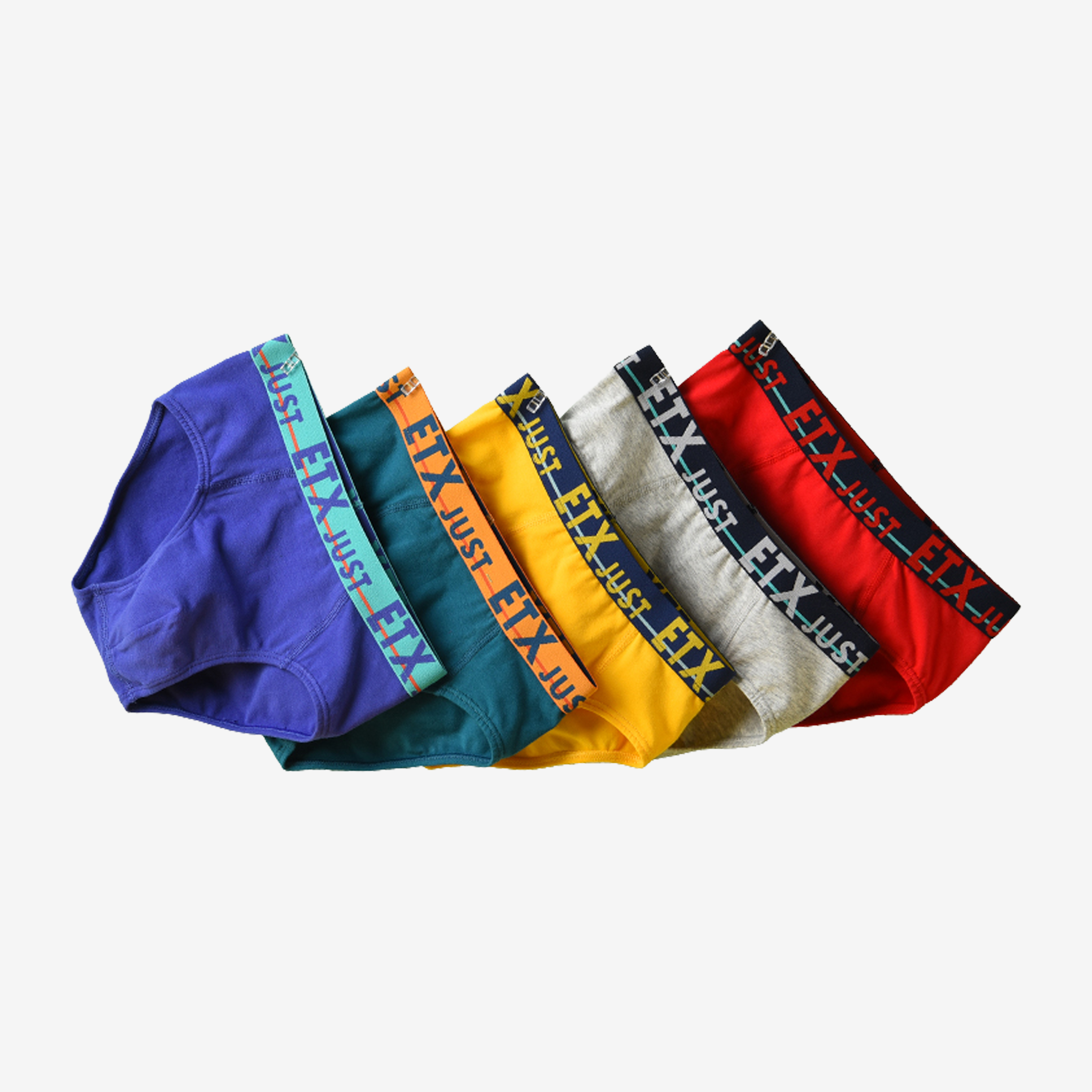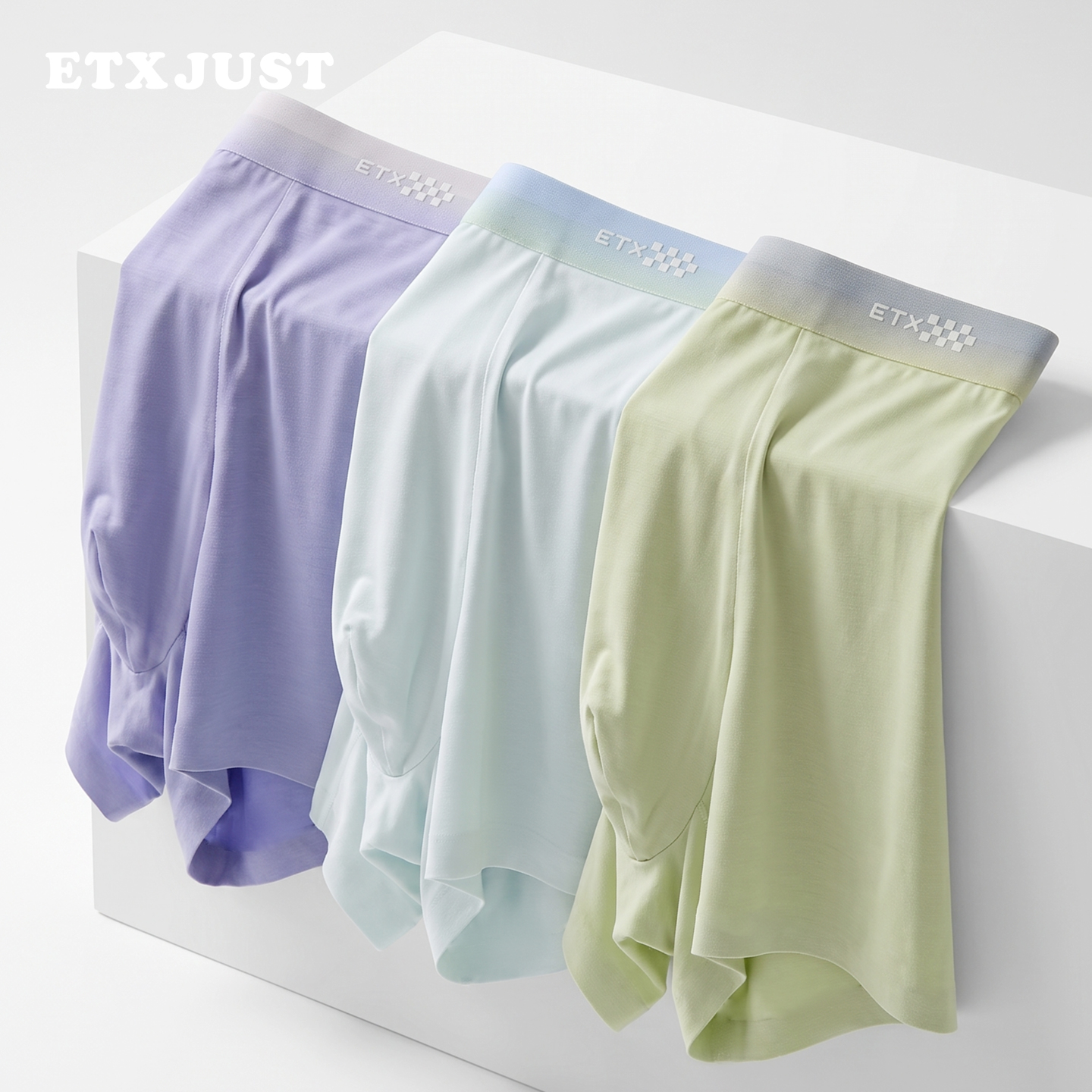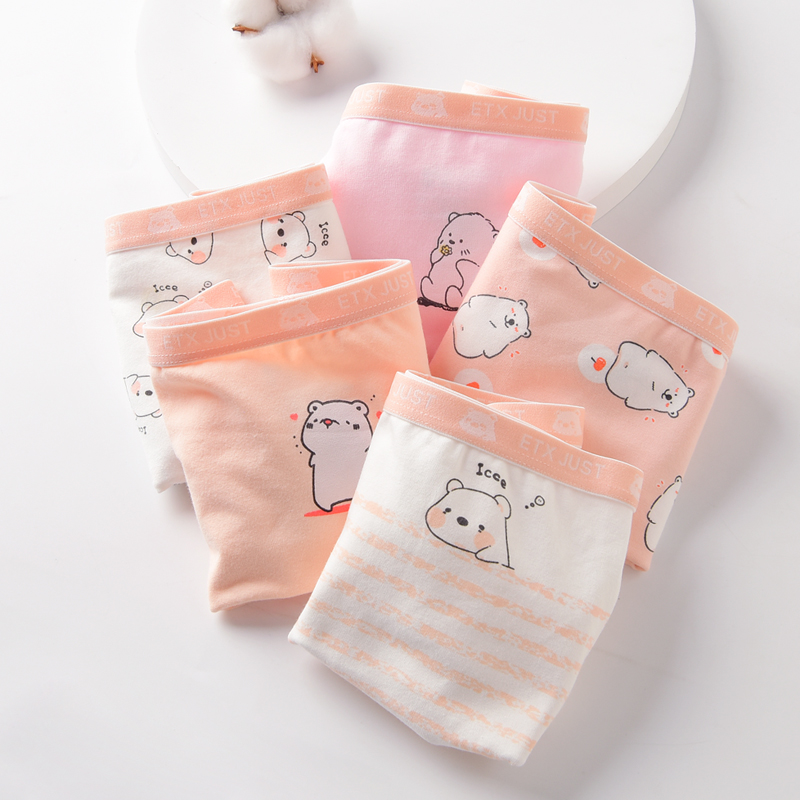

When winter arrives, parents often ask: Should growing boys wear cotton or modal underwear? Both fabrics can offer softness and breathability, but they perform differently when children sweat, move between indoor and outdoor temperatures, or wear several layers.
For most boys, cotton is the dependable everyday choice, while modal is often better for softness, stretch, and moisture comfort. The best option depends on your child’s activity level, skin sensitivity, and how warm or damp he tends to feel.
Why Fabric Matters in Winter
Winter underwear sits directly against the skin and acts as the first layer beneath pants, pajamas, school uniforms, or snow clothing. A good fabric should feel soft, allow movement, manage moisture, and avoid creating uncomfortable bulk under other layers.
Warmth does not come from the fiber name alone. Fabric thickness, knit structure, fit, and the layers worn over it all influence how warm a child feels. A close-fitting base layer can help retain body heat, but it should never be so tight that it causes pressure or chafing.
Cotton Underwear
Cotton is a familiar and practical choice for boys’ underwear. It is breathable, absorbent, widely available, and generally comfortable for everyday wear.
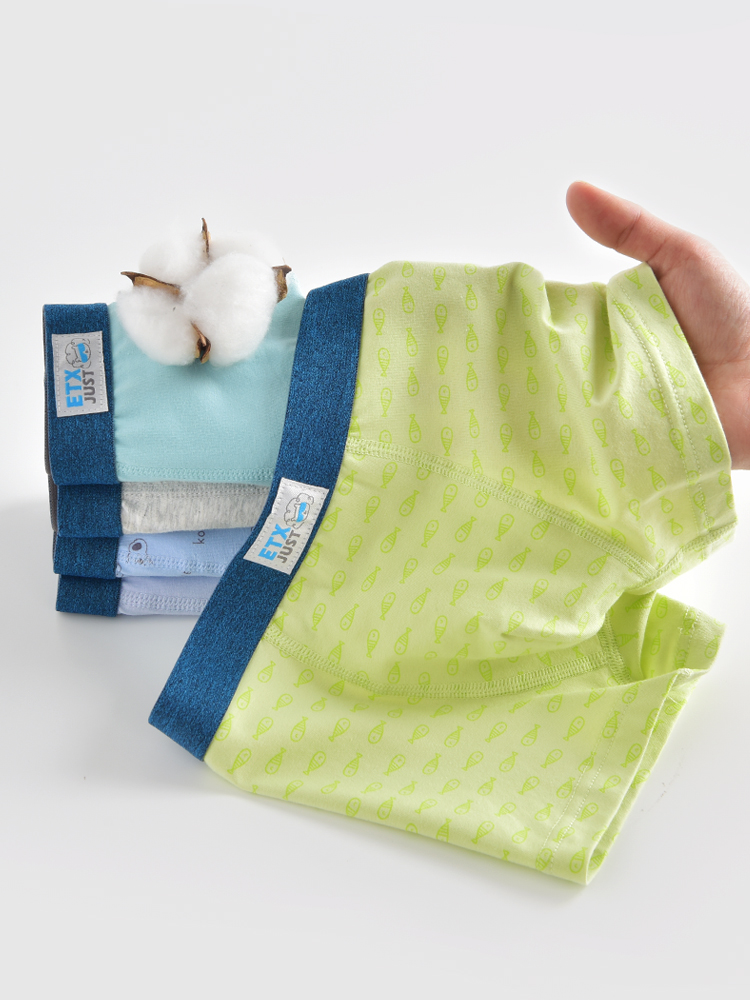
Benefits of cotton
- Soft and comfortable for daily use.
- Breathable, allowing air to circulate.
- Easy to wash and available at many price points.
- A practical option for children with sensitive skin.
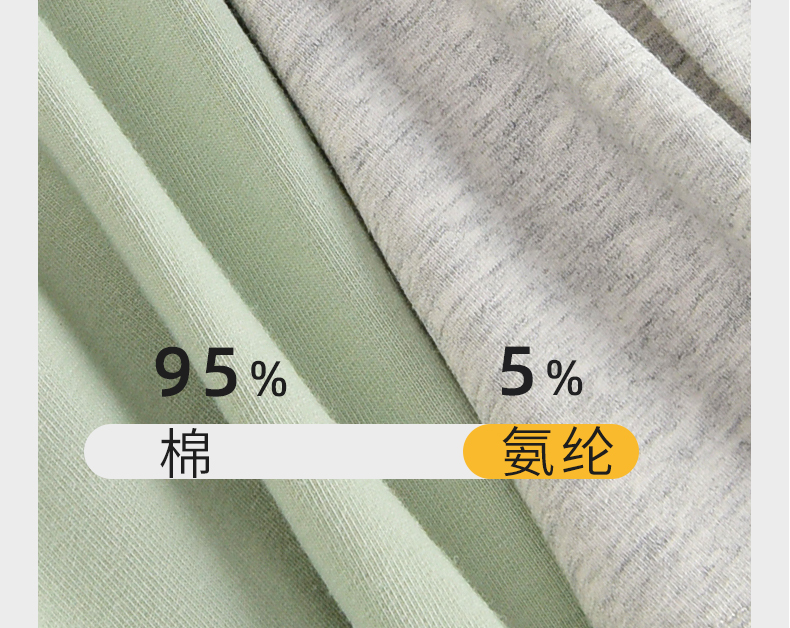
- Available in thicker winter knits and cotton-spandex blends.
Cotton absorbs moisture well, but it can hold that moisture close to the skin after becoming damp. This may be noticeable when a child runs during recess, plays sports, or moves repeatedly between heated indoor rooms and cold outdoor air. Cotton fabrics also show useful thermal behavior because their structure can trap air, although warmth depends heavily on the fabric’s weight and construction.[1]
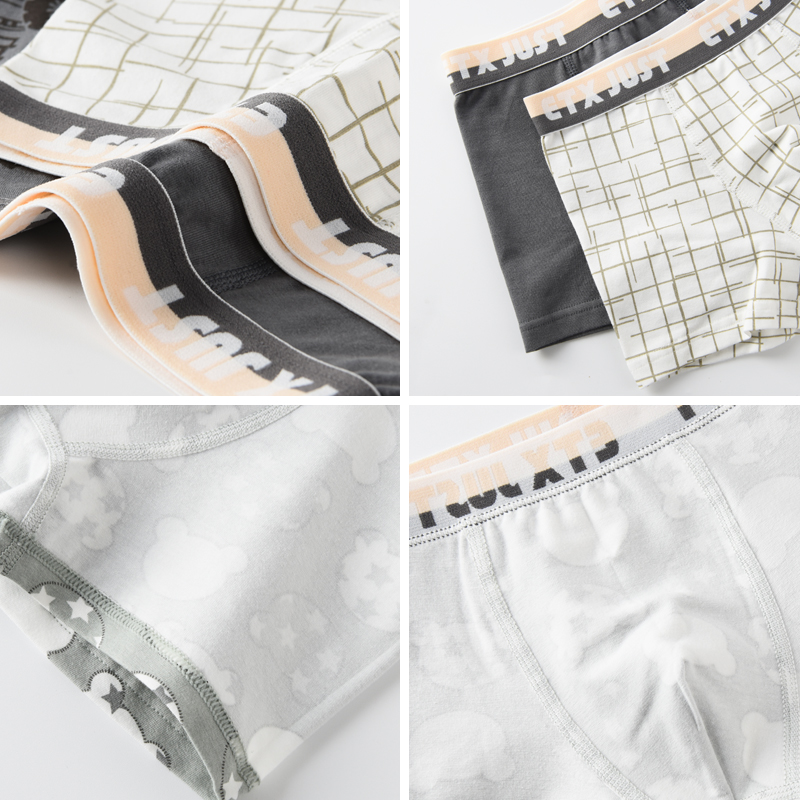
Best cotton choice for winter
For cold weather, consider:
- Medium-weight cotton jersey.
- Cotton with a small amount of elastane or spandex for stretch.
- A soft, covered waistband.
- Flat seams or tag-free construction.
- A snug but non-restrictive fit.
A cotton-spandex blend may be more comfortable than rigid 100% cotton because growing boys need freedom to bend, sit, run, and move throughout the day.
Modal Underwear
Modal is a regenerated cellulose fiber commonly made from wood pulp, including beechwood pulp. It is known for its smooth hand feel, softness, and moisture-management properties.
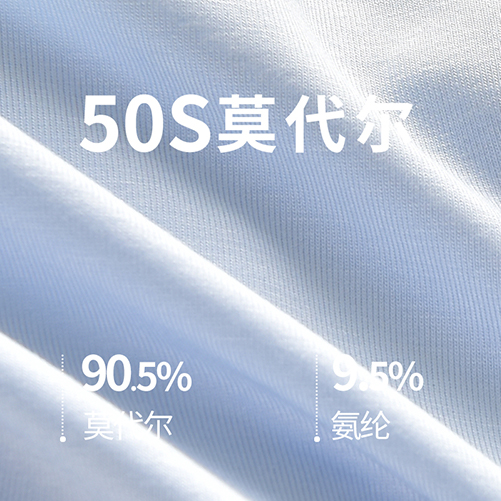
Benefits of modal
- Very soft and smooth against the skin.
- Flexible and comfortable for active children.
- Often drapes closely under clothing.
- Can help spread and move moisture more efficiently than cotton.
- Typically feels lightweight rather than bulky under winter layers.
Research comparing textile comfort properties has found that modal can distribute and wick moisture quickly, while modal fabrics may also provide good air permeability. This can make modal appealing for boys who sweat during sports, indoor play, or school activities.[2]
Is modal warmer than cotton?
Not necessarily. Modal underwear may feel smooth and comfortable in winter, but modal is not automatically a thermal fabric. Lightweight modal can feel cool and may not provide enough insulation on its own during very cold weather.
For winter, look for modal underwear with:
- A medium-weight knit.
- A cotton-modal blend.
- A small percentage of elastane for recovery.
- A close-fitting base-layer design.
- Enough coverage without excessive fabric bunching.
Modal can be especially useful under jeans, school trousers, or snow pants because its smooth surface may reduce friction and bulk.
Cotton vs. Modal
Feature |
Cotton |
Modal |
| Everyday practicality | Excellent | Very good |
|
Softness |
Soft | Usually exceptionally smooth |
| Moisture handling | Absorbs moisture but may stay damp | Often spreads and releases moisture more efficiently |
| Winter warmth | Depends on weight and knit | Depends on weight and knit; lightweight modal may not be warm enough alone |
| Breathability | Good | Good to very good |
| Stretch and drape | Moderate unless blended | Generally flexible and close-fitting |
| Durability | Reliable with proper care | Comfortable, but follow garment-care instructions |
| Best use | Everyday wear, sensitive skin, school | Active boys, softness seekers, layering |
The important point is that fiber content is only one part of performance. A thick cotton garment may be warmer than a thin modal garment, while a well-designed cotton-modal blend may combine softness, breathability, moisture comfort, and stretch.
Which Is Better for Growing Boys?
Choose cotton when:
- Your child needs simple everyday underwear.
- He has sensitive skin and prefers a familiar fabric.
- You want easy washing and broad product availability.
- He does not sweat heavily during the day.
- You are looking for an affordable winter basic.
Cotton is often the safest starting point for school days, bedtime, and regular family routines.
Choose modal when:
- Your child dislikes rough or stiff fabrics.
- He is highly active or tends to sweat.
- He prefers a smooth, lightweight feeling.
- Underwear frequently bunches under pants.
- You want a soft base layer for indoor-outdoor temperature changes.
Modal’s moisture-management advantage can be useful for active children, but it should not be confused with extra insulation. The fabric’s thickness and construction still determine much of its winter performance.
Choose a cotton-modal blend when:
- You want the familiarity of cotton with a smoother feel.
- Your child needs stretch for sports and active play.
- You want a balance between comfort, fit, and cost.
- You are building a versatile winter underwear drawer.
A cotton-modal blend is often a strong all-purpose option for growing boys because it can provide softness without feeling overly delicate.
What About Sensitive Skin?
For sensitive skin, focus on the entire garment rather than choosing a fiber based only on its label. Look for soft fabric, smooth seams, a gentle waistband, and minimal irritating details.
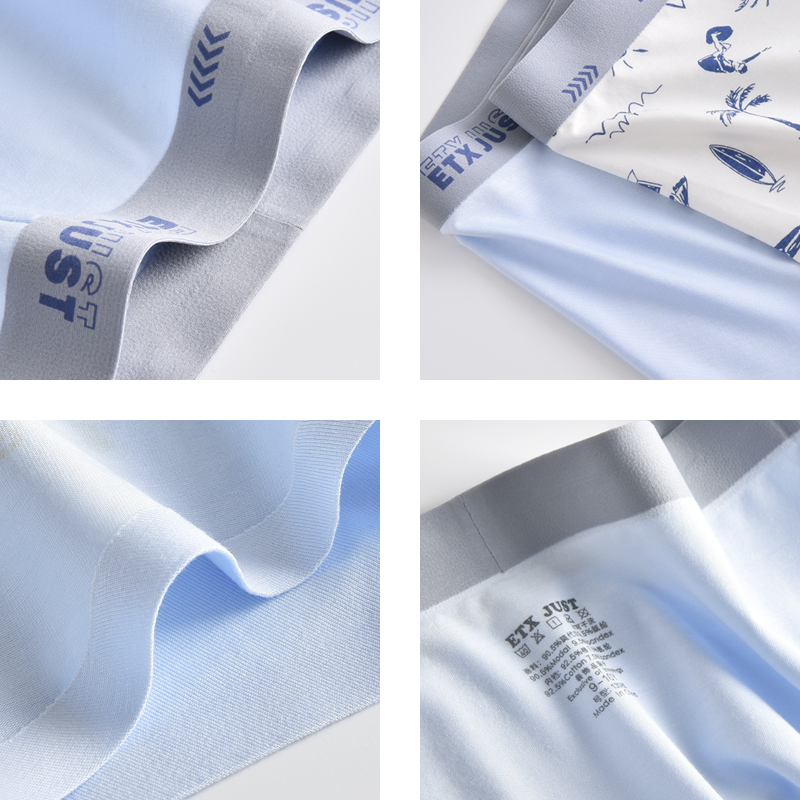
Helpful features include:
- Tagless labels.
- Flat or covered seams.
- No scratchy internal stitching.
- Breathable fabric.
- A waistband that stays secure without digging in.
- Garments certified under a recognized textile-safety standard when available.
Parents should also wash new underwear before the first wear and stop using any garment that causes persistent redness, itching, or discomfort. If a child has eczema or recurring irritation, a pediatrician or dermatologist can provide more appropriate fabric and skincare guidance.
Winter Fit for Growing Boys
The right fit is just as important as the fiber. Underwear that is too loose can bunch under trousers, while underwear that is too tight can create friction and pressure around the waist, legs, and groin.
Check that:
- The waistband lies flat and does not leave deep marks.
- The leg openings stay in place without squeezing.
- The pouch provides comfortable coverage without excess fabric.
- The seams do not rub during walking or sports.
- The garment remains comfortable after sitting, bending, and running.
Because children grow quickly, check the fit regularly throughout the season. A garment that fit comfortably in September may feel restrictive by January.
The Best Winter Formula
For many families, the most practical winter underwear rotation is:
- Cotton or cotton-modal briefs for everyday school wear.
- Modal or cotton-modal boxer briefs for active children
- Medium-weight thermal layers for outdoor activities in very cold weather.
- Fresh, dry underwear after sports or heavy sweating
Avoid assuming that thicker always means better. Excessively bulky underwear can make boys uncomfortable, restrict movement, and create more friction beneath winter clothing.
Final Recommendation
For growing boys during winter, cotton is the best dependable everyday choice, while modal is the better comfort option for softness, stretch, and moisture management. If you want one versatile solution, choose a medium-weight cotton-modal blend with a little elastane, flat seams, and a gentle waistband.
The ideal winter underwear keeps a child warm without overheating, dry without feeling stiff, and comfortable enough that he can focus on school, play, and growing—not on adjusting his clothes.